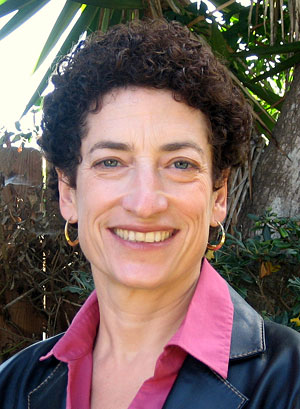
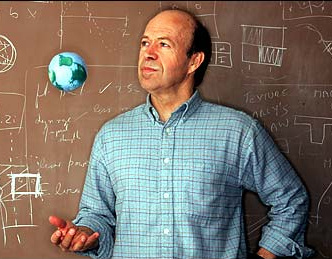
Naomi Oreskes talks about the speculative novel she co-wrote with Erik Conway, The Collapse of Western Civilization: A View from the Future. Then, as the world prepares for climate talks and the People’s climate march in New York City, we hear our 2010 interview with climatologist Dr. James Hansen.
World-renowned biologist Paul Ehrlich of The Population Bomb fame talks about his new book (with Michael Charles Tobias)Hope on Earth: A Conversation. And Ryan Mitchell discusses Tiny House Living: Ideas For Building and Living Well In Less than 400 Square Feet.
WV spends the hour with Indian-born novelist Thrity Umrigar, talking about her latest work of fiction, THE STORY HOUR (Harper Collins, August 2014) and her 2012 novel, THE WORLD WE FOUND. Also, we air a sneak preview from next week’s show: a conversation with scientist Paul Ehrlich about HOPE ON EARTH.
Poet Kathy Engel reads her poem “Harvesting Strawberries.”
Harvesting Strawberries
In summer
my teenage daughters
hair waving freckles,
legs and arms swinging,
walk barefoot to the garden in our back yard,
pick greens,
wash them, make salad
or cook with olive oil and garlic
and we eat together
on the wooden table under the mimosa tree
beside hammocks and chimes,
then drive or walk three miles to plunge in the Atlantic.
On January 4, 2005
six Palestinian children ages eleven to seventeen
harvesting strawberries
were killed by Israeli military
paid, in part, with dollars we send in taxes
from our jobs.
A newspaper photo showed an almond eyed boy
carrying the body of his younger brother.
The children were harvesting strawberries.
Martin Blank talks about the dangers of cell phones,microwaves and other devices that emit electromagnetic radiation. His book is Overpowered: The Dangers of Electromagnetic Radiation (EMF) and What You Can Do about It.
And Argentina teeters on the brink of default because of hedge fund vultures like Paul Singer, who buy up national debt for pennies on the dollar and then demand payment in full. Today WV re-airs a 2011 interview with investigative journalist Greg Palast about his book, Vulture’s Picnic. Continue reading →
Laurie David talks about her new film, FED UP, a documentary about our toxic industrial food system. It’s out with a companion cookbook, THE FAMILY COOKS. And real food maven Nina Planck says grass-fed meat and dairy are good for you. (She loves organic veggies, too.) Her new book of recipes is THE REAL FOOD COOKBOOK.
Boris Fishman talks about his terrific debut novel about coming of age as an immigrant in America, A REPLACEMENT LIFE.
And Obama just announced a get-tough policy on carbon pollution from coal-fired power plants. Now the question is, will he or won’t he on the Keystone XL pipeline? John Cushman of Inside Climate News tells the story leading up to Obama’s predicament on the pipeline and where he might go in the future. Cushman’s new e-book is KEYSTONE AND BEYOND.
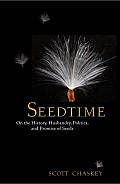
In the book, Chaskey considers “the web of biodiversity and resilience at the heart of our cultural inheritance” by weaving history, politics, botany, literature, mythology, and memoir into his profoundly moving book.
And Nero and Seneca were the elite. But what about the other 99%? Historian Robert Knapp talks about the common people of ancient Rome in his book, INVISIBLE ROMANS.